
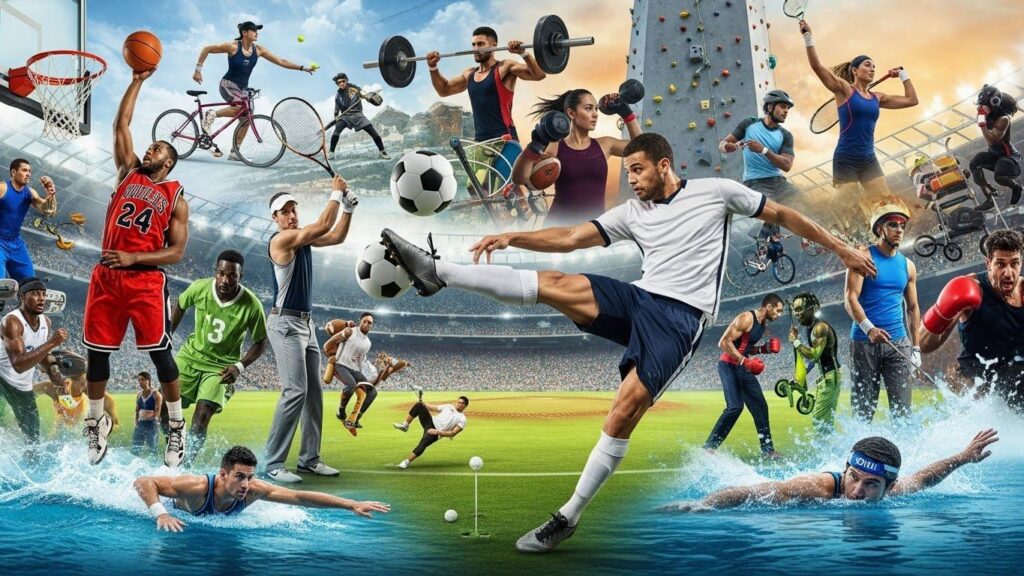
Sports have been an essential part of human civilization for thousands of years. From ancient Olympic competitions in Greece to modern international tournaments watched by millions, sports have evolved into a powerful force that brings people together, promotes health, and teaches valuable life lessons. Whether played professionally or recreationally, sports positively impact individuals and communities in countless ways. They are not just about winning or losing; they are about growth, teamwork, discipline, and perseverance.
Physical Health Benefits
One of the most significant advantages of participating in sports is the improvement of physical health. Regular physical activity strengthens the heart, muscles, and bones while improving endurance, flexibility, and coordination. Sports such as football, basketball, swimming, tennis, and athletics encourage individuals to stay active, reducing the risk of obesity, diabetes, heart disease, and other lifestyle-related illnesses.
Exercise through sports also boosts the immune system, increases energy levels, and improves sleep quality. Children who engage in sports from an early age often develop healthy habits that continue into adulthood. Likewise, adults who regularly participate in sports are more likely to maintain a healthy weight and enjoy a higher quality of life.
Mental and Emotional Well-Being
Sports contribute significantly to mental health. Physical activity stimulates the release of endorphins, often called “feel-good hormones,” which help reduce stress, anxiety, and depression. Engaging in sports provides a healthy outlet for emotional expression and helps individuals manage daily pressures more effectively.
Playing sports also builds self-confidence. As athletes improve their skills, achieve goals, and overcome challenges, they develop a sense of accomplishment. This confidence often extends beyond the playing field into academic, professional, and personal life. Furthermore, sports teach resilience by showing participants how to recover from setbacks, accept defeat gracefully, and continue striving for improvement.
Building Teamwork and Leadership Skills
Many sports require players to work together toward a common objective. Team sports such as soccer, volleyball, basketball, and cricket emphasize communication, trust, and cooperation. Players learn to support one another, share responsibilities, and understand the importance of collective success over individual recognition.
Sports also create opportunities for leadership development. Team captains and experienced players learn how to motivate teammates, make decisions under pressure, and resolve conflicts. These leadership qualities are highly valuable in workplaces, educational settings, and community organizations.
Teaching Discipline and Time Management
Success in sports requires consistent practice, dedication, and self-discipline. Athletes must follow training schedules, maintain healthy diets, and continuously work on improving their skills. This commitment teaches the importance of setting goals and working steadily to achieve them.
Balancing sports with school, work, or family responsibilities also improves time management skills. Student-athletes, for example, often learn to organize their daily routines efficiently to meet both academic and athletic commitments. These habits prepare individuals for future responsibilities and career success.
Encouraging Social Connections
Sports provide opportunities to meet people from diverse backgrounds and cultures. Whether playing in a local club or participating in international competitions, athletes build friendships that often last a lifetime. These interactions promote mutual respect, understanding, and cultural exchange.
Community sports events also strengthen social bonds by bringing families, neighbors, and supporters together. Fans unite to cheer for their favorite teams, creating a sense of belonging and shared identity. This social aspect of sports contributes to stronger and more connected communities.
Economic Impact of Sports
The sports industry plays a significant role in the global economy. Professional leagues, tournaments, sponsorships, broadcasting rights, and sporting goods generate billions of dollars annually. Major events such as international championships and world tournaments attract tourists, create jobs, and stimulate local businesses.
Sports-related careers extend far beyond professional athletes. Coaches, referees, physiotherapists, sports journalists, event organizers, marketers, and fitness trainers all contribute to the industry’s growth. As a result, sports create numerous employment opportunities across different sectors.
Sports and Education
Educational institutions recognize the value of sports in student development. Schools and universities encourage participation in athletics because sports complement academic learning. Students involved in sports often develop better concentration, improved problem-solving skills, and stronger work ethics.
Participation in school sports also teaches responsibility, respect for rules, and healthy competition. Many educational institutions offer scholarships to talented athletes, allowing them to pursue higher education while developing their sporting careers.
Promoting Equality and Inclusion
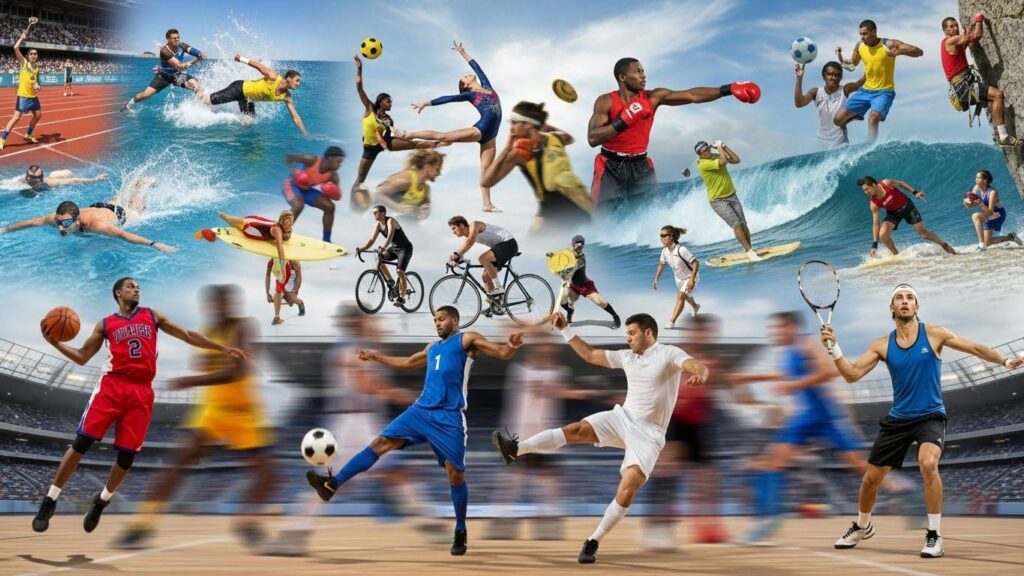
Sports have the power to break social barriers and promote equality. Regardless of age, gender, race, religion, or economic background, sports provide opportunities for participation and achievement. Women’s sports have gained significant recognition over recent decades, inspiring millions of young girls to pursue athletic careers.
Adaptive sports have also created opportunities for individuals with disabilities to compete at the highest levels. These competitions demonstrate determination, resilience, and the belief that physical limitations do not define human potential. Inclusive sporting environments encourage acceptance and celebrate diversity.
Inspiring Future Generations
Professional athletes often become role models for young people. Their dedication, hard work, and achievements inspire children to pursue their dreams both in sports and in life. Stories of athletes overcoming adversity teach valuable lessons about perseverance, determination, and the importance of believing in oneself.
However, role models also carry the responsibility of demonstrating good sportsmanship, respect, and integrity. Positive behavior on and off the field encourages young athletes to value character as much as success.
Challenges in Modern Sports
Despite its many benefits, modern sports face several challenges. Issues such as doping, corruption, discrimination, violence among fans, and excessive commercialization can undermine the spirit of fair competition. Sports organizations must enforce strict regulations, promote ethical conduct, and ensure equal opportunities for all participants.
Mental health has also become an important topic in professional sports. The pressure to perform at elite levels can lead to stress and burnout. Increasing awareness and providing psychological support are essential for protecting athletes’ well-being.
The Future of Sports
Technology continues to transform the world of sports. Video analysis, wearable fitness trackers, artificial intelligence, and advanced training methods help athletes improve performance while reducing injury risks. Fans also enjoy enhanced viewing experiences through live streaming, virtual reality, and interactive digital platforms.
Esports, or competitive video gaming, has emerged as a rapidly growing industry, attracting millions of viewers worldwide. While different from traditional physical sports, esports demonstrate how competition continues to evolve alongside technological advancements.
At the same time, environmental sustainability has become a priority. Many sporting organizations are adopting eco-friendly practices by reducing waste, using renewable energy, and designing sustainable stadiums. These initiatives ensure that sports continue to inspire future generations while protecting the planet.
Conclusion
Sports are much more than games or competitions. They are powerful tools for improving physical health, strengthening mental well-being, developing character, and building meaningful relationships. They teach discipline, teamwork, leadership, and resilience—qualities that benefit individuals throughout their lives. Beyond personal development, sports contribute to economic growth, educational success, social inclusion, and international unity.
As the world continues to change, sports will remain an important part of society. Whether played professionally, at school, or simply for recreation, sports encourage people to live healthier, happier, and more connected lives. By embracing the true values of fairness, respect, and perseverance, sports will continue to inspire individuals and unite communities across th